Cart
0
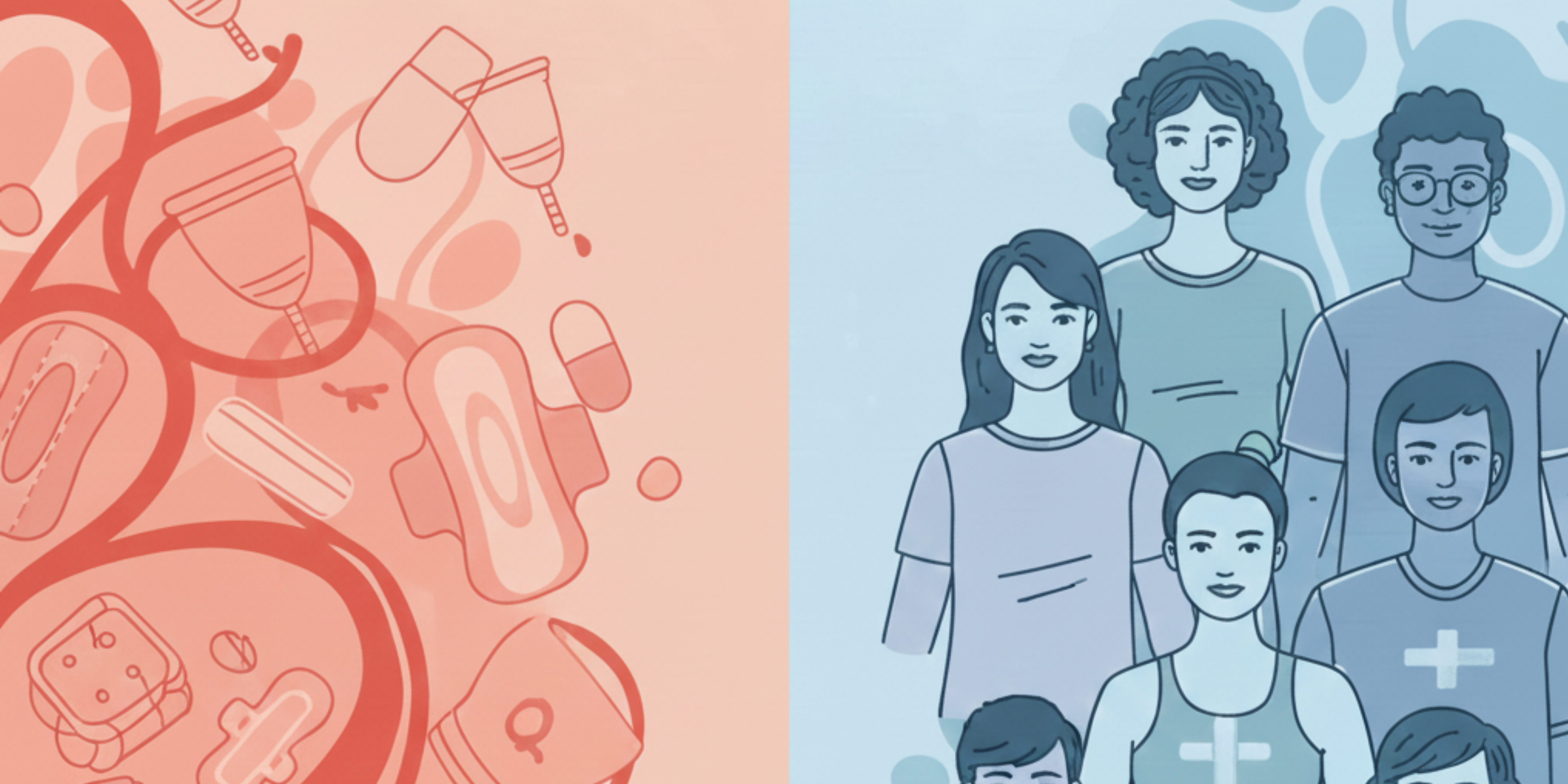
Periods are Natural, Variable, and Unique to Everybody
It’s an experience that can be largely variable, and means different effects to different people. In history, sexists were mocked for demanding changes to sexist language, but it’s now common to say firefighter rather than fireman, flight attendant rather than stewardess, and croaker in place of lady croaker.
Indeed, if they’re intended to be more inclusive, expressions like “ womanish genitalia ” or “ womanish- bodied person ” are alienating to some trans people. Similar terms may label people’s bodies in terms they don’t identify with.
It might feel awkward right now to say “ people who menstruate ” or “ people with cycles, but this is just like changing other prejudiced language. Maybe you want to say "commodity" to people who have a specific body part, like “ people with vulvas’’ or people with cervixes. Perhaps you’re talking about people who have bodies that serve in a certain way, “ people who can become pregnant ” or “ people who menstruate.
The language we use is really important.
People who don't fit within the common description of “ women ” can come fluently insulated, marginalised, stigmatised, stigmatized and discerned against. When conditions and health care issues are mothered, it becomes more delicate for people to access healthcare.
The Problem with" Women's Health"
Suppose about the products in the" woman like hygiene" aisle, the language used in coitus education, or indeed the common statements and words we use for ages.
Who Bleeds? Beyond the double
Let's be clear, not all women menstruate, and not all people who menstruate are women. Transgender Men numerous trans men, especially those who have n't experienced hormone therapy or gender- affirming surgeries that remove their uterus, still experience ages. Non-Binary individuals A different range ofnon-binary people, including those who were assigned womanish at birth, also menstruate.
Cisgender Women. While the maturity of cisgender women menstruate, some don't due to medical conditions, age, or particular choices. To ignore these realities is to deny healthcare, coffers, and emotional support to be a significant part of a spineless community.
Why Inclusive Language Matters?
Shifting to further inclusive language around the period has proven benefits and can reduce smirch for everyone. Reduces Dysphoria by using terms like" people who menstruate," " menstruators," or" individualities with ages," we produce a space where trans men and non-binary people can feel seen and validated, rather than misgendered.
Improves Healthcare Access. When healthcare providers and public health juggernauts borrow inclusive language, it becomes easier for all menstruating individuals to access applicable information, services, and products without fear of judgment or misreading.
Normalising the Experience Inclusive language helps to homogenize the fact that periods are a natural process that can affect anyone with the necessary deconstruction, anyhow of their gender identity.
Imagine a world where a trans man can openly talk about his period without feeling like he is contradicting his identity. Or where an anon-binary person can find period products retailed in a way that does not misgender them. This is not a radical conception; it's simply a step towards a more accurate and compassionate understanding of mortal biology and identity.
Let's move beyond outdated narratives and embrace a future where period talk is truly for all genders who bleed.